.png)
Top Fencing Solutions for Livestock and Ranch Management

Fencing plays a crucial role in managing livestock and maintaining a safe, productive ranch. Choosing the right fencing option can protect animals, reduce escapes, and improve overall farm efficiency. With many types of fencing available, it’s essential to understand the benefits and drawbacks of each to make the best choice for your specific needs.

Understanding the Purpose of Livestock Fencing
Before selecting a fencing type, consider what you need it to do. Fencing can serve several purposes:
Containment: Keep livestock within a designated area.
Protection: Prevent predators from entering.
Separation: Divide pastures or separate different types of animals.
Control: Manage grazing patterns and rotational grazing.
Each purpose may require different fencing materials and designs. For example, predator protection often demands stronger, more secure fencing than simple containment.
Common Fencing Types for Livestock
1. Barbed Wire Fencing
Barbed wire is one of the most traditional and widely used fencing options for livestock, especially cattle.
Advantages
- Cost-effective and easy to install
- Durable and long-lasting
- Effective for containing large animals like cattle and horses
Disadvantages
- Can cause injury to animals if they try to push through
- Less effective for smaller or more agile animals like sheep or goats
- Requires regular maintenance to prevent sagging and rust
Barbed wire fences typically consist of several strands of wire with sharp barbs spaced evenly. They work best when combined with sturdy posts and proper tensioning.
2. Woven Wire Fencing
Woven wire fencing uses horizontal and vertical wires woven together to create a mesh.
Advantages
- Provides a secure barrier for smaller animals such as sheep, goats, and pigs
- Prevents animals from slipping through or under the fence
- Can be combined with electric wire for added security
Disadvantages
- More expensive and labor-intensive to install than barbed wire
- Requires strong posts to support the weight of the wire mesh
- Can be damaged by large animals leaning or pushing against it
This fencing type is popular for mixed livestock operations where multiple species need containment.
3. Electric Fencing
Electric fencing uses a low-impulse electric shock to deter animals from crossing the boundary.
Advantages
- Flexible and easy to move for rotational grazing
- Effective for a wide range of animals, including cattle, sheep, goats, and horses
- Relatively low cost and quick to install
Disadvantages
- Requires a power source and regular maintenance
- Less effective if vegetation touches the wire, causing shorts
- Animals need to be trained to respect the fence
Electric fences are often used as a primary or secondary barrier and can be combined with other fencing types for added security.
4. High-Tensile Wire Fencing
High-tensile wire fencing is made from strong, smooth wire that can be stretched tightly between posts.
Advantages
- Very durable and resistant to sagging
- Requires fewer posts, reducing installation costs
- Safer for animals than barbed wire due to smooth strands
Disadvantages
- Installation requires specialized tools and skills
- Initial cost is higher than barbed wire
- Animals may still push through if not properly trained
This fencing is ideal for large pastures where long stretches of fencing are needed.
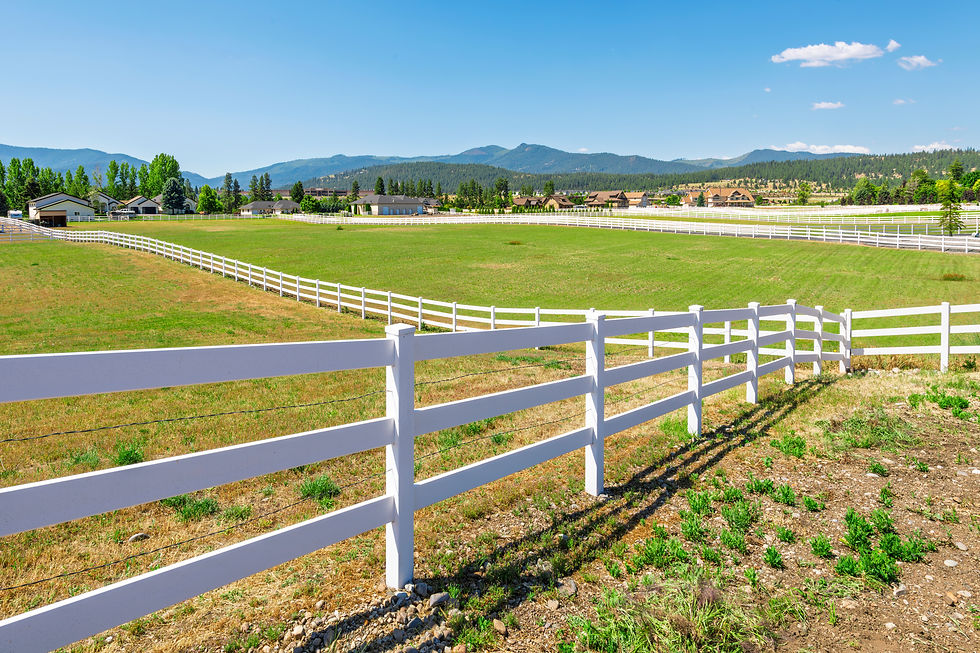
5. Wooden Fencing
Wooden fences are traditional and visually appealing, often used for horses and smaller livestock.
Advantages
- Strong and visible, reducing animal stress
- Can be designed to suit specific needs (e.g., split rail, post and rail)
- Long-lasting when properly maintained
Disadvantages
- Expensive and labor-intensive to install
- Requires regular maintenance to prevent rot and damage
- Not suitable for all livestock, especially aggressive or large animals
Wooden fencing adds aesthetic value and works well in areas where appearance matters.
Factors to Consider When Choosing Fencing
Livestock Type
Different animals have different behaviors and needs. For example:
Cattle: Require strong, tall fences like barbed wire or high-tensile wire.
Sheep and Goats: Need woven wire or mesh fencing to prevent escapes.
Horses: Prefer smooth, visible fences like wooden or vinyl.
Pigs: Need sturdy fencing that prevents rooting under.
Terrain and Environment
Rocky or uneven terrain may require flexible fencing options like electric or high-tensile wire.
Wet or humid climates can cause wooden fences to rot faster.
Areas with predators may need reinforced fencing or electric deterrents.
Budget and Maintenance
Barbed wire and electric fencing tend to be more affordable upfront.
Wooden and woven wire fences have higher installation and maintenance costs.
Consider long-term durability and repair needs.
Installation and Labor
Some fencing types require professional installation.
Electric fences can be installed by ranchers with basic tools.
Maintenance frequency varies by material and environment.
Practical Tips for Effective Livestock Fencing
Use strong, treated posts to ensure fence stability.
Maintain proper tension on wire fences to prevent sagging.
Clear vegetation around electric fences to avoid shorts.
Train animals to respect electric fences by introducing them gradually.
Inspect fences regularly for damage or wear.
Combine fencing types when necessary for added security.
Frequently Asked Questions About Livestock Fencing Options
What are the most common livestock fencing options? Common livestock fencing options include barbed wire, woven wire, electric fencing, high-tensile wire, and wooden fencing.
Which livestock fencing options work best for cattle? Barbed wire and high-tensile wire fencing are commonly used for cattle because they provide strength, durability, and effective containment.
Are electric livestock fencing options effective? Yes. Electric livestock fencing options are effective for many types of animals and are often used for rotational grazing and flexible pasture management.
Final Thoughts on Livestock Fencing Options
Choosing the right livestock fencing options is essential for maintaining animal safety, improving pasture management, and supporting efficient ranch operations. Different fencing materials and designs offer unique benefits depending on the type of livestock, terrain, and maintenance needs. By selecting durable fencing solutions and performing regular inspections, farmers and ranchers can create secure environments that protect both livestock and property for years to come.

This is a helpful guide for understanding how different fencing options can support livestock safety and better ranch management. The points about choosing fencing based on animal type, terrain, and maintenance are especially useful. For commercial properties needing durable and secure fencing solutions, Commercial Fencing Solution is also worth exploring.