.png)
Choosing the Right Fence for Your Property

Choosing the right fence for your property is more than just picking a style you like. It affects your home's security, privacy, curb appeal, and even property value. With so many options available, making the best choice can feel overwhelming. This guide breaks down everything you need to know to select a fence that fits your needs, budget, and style.
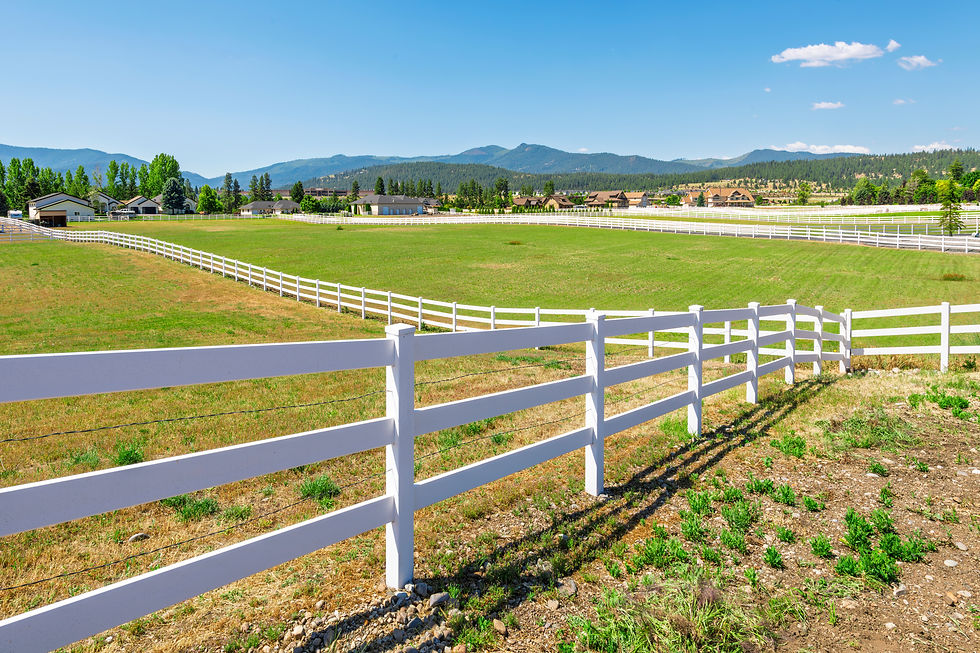
Understand Your Purpose for Fencing
Before exploring materials and designs, clarify why you want a fence. Common reasons include:
Privacy: To block views from neighbors or passersby.
Security: To keep intruders out or pets and children safely inside.
Aesthetics: To enhance the look of your property.
Boundary Definition: To clearly mark property lines.
Noise Reduction: To reduce street or neighbor noise.
Knowing your primary goal helps narrow down fence types. For example, a tall wooden or vinyl fence works well for privacy, while a metal fence may be better for security without blocking views.
Consider Local Regulations and HOA Rules
Check with your city or county government for fence regulations. These often cover:
Maximum fence height
Allowed materials
Setback requirements from property lines
Permits needed for installation
If you live in a neighborhood with a homeowners association (HOA), review their rules too. Some HOAs restrict fence styles or colors to maintain community standards.
Ignoring these rules can lead to costly fines or having to remove your fence later.
Choose the Right Material for Your Needs
Fence materials vary widely in appearance, durability, maintenance, and cost. Here are common options:
Wood
Pros: Classic look, customizable with paint or stain, good privacy.
Cons: Requires regular maintenance to prevent rot and insect damage, can warp or crack.
Best for: Privacy fences, traditional styles, natural look.
Vinyl
Pros: Low maintenance, resists rot and insects, available in many colors and styles.
Cons: Higher upfront cost, can crack in extreme cold.
Best for: Homeowners wanting a clean look without upkeep.
Metal (Aluminum, Steel, Wrought Iron)
Pros: Strong and durable, low maintenance, good for security.
Cons: Less privacy unless combined with panels, can rust if not coated.
Best for: Security fences, decorative gates, open views.
Chain Link
Pros: Affordable, durable, quick to install.
Cons: Minimal privacy and curb appeal.
Best for: Pet containment, boundary marking, security in budget.
Composite
Pros: Made from recycled materials, low maintenance, looks like wood.
Cons: More expensive than wood or vinyl.
Best for: Eco-conscious homeowners wanting wood appearance without upkeep.
Match Fence Style to Your Home and Landscape
The fence should complement your home’s architecture and yard design. For example:
A white picket fence suits cottage or traditional homes.
A modern horizontal slat fence fits contemporary styles.
Rustic split-rail fences work well in rural or country settings.
Also, consider how the fence interacts with your landscaping. A fence with wide posts or decorative tops can become a feature, while a simple fence might blend into the background.
Think About Fence Height and Privacy Needs
Fence height affects privacy, security, and local rules. Typical fence heights are:
3 to 4 feet: Decorative or boundary fences, minimal privacy.
5 to 6 feet: Standard for privacy and security.
Over 6 feet: Often requires permits, used for high security or noise reduction.
If privacy is a priority, choose a solid fence or one with minimal gaps. For security, taller fences with pointed tops or spikes deter intruders.
Evaluate Maintenance Requirements
Every fence material requires some care. Consider how much time and money you want to spend on upkeep:
Wood: Needs staining or painting every few years, repairs for rot or damage.
Vinyl: Wash occasionally, minimal repairs.
Metal: Check for rust, repaint if needed.
Chain Link: Rarely needs maintenance but can rust.
Composite: Clean with soap and water, very low maintenance.
If you prefer a fence that lasts with little effort, vinyl or composite are good choices.
Budget Your Fence Project
Fence costs depend on material, length, height, and installation complexity. Here are rough price ranges per linear foot (including installation):
Wood: $15 to $30
Vinyl: $20 to $40
Aluminum: $20 to $35
Chain Link: $8 to $20
Composite: $25 to $45
Get multiple quotes from local contractors and ask about warranties. Remember, investing in quality materials and installation can save money on repairs later.
Plan for Installation and Timing
Fence installation can take from a day to a week depending on size and complexity. Consider:
Weather conditions: Avoid rainy or freezing weather.
Underground utilities: Call your local utility locating service before digging.
Property lines: Confirm boundaries to avoid disputes.
Professional installation ensures your fence is secure and meets local codes. DIY installation can save money but requires skill and tools.
Add Functional and Decorative Features
Enhance your fence with extras like:
Gates with locks for security.
Decorative post caps or lighting.
Trellises for climbing plants.
Noise-reducing panels if near busy roads.
These features improve usability and appearance.
Choosing the right fence involves balancing your needs for privacy, security, style, and budget. Start by defining your purpose and checking local rules. Then select a material and style that fits your home and lifestyle. Plan carefully for installation and maintenance to enjoy your fence for years.
Frequently Asked Questions About Choosing the Right Fence
What should homeowners consider when choosing the right fence? Homeowners should consider privacy needs, security, budget, maintenance requirements, local regulations, and how the fence complements the property.
Which fence material requires the least maintenance? Vinyl and composite fencing typically require the least maintenance because they resist rot, insects, and weather-related damage.
How tall should a residential fence be? Most residential privacy fences are between 5 and 6 feet tall, though local regulations and HOA rules may affect allowed fence height.
Final Thoughts on Choosing the Right Fence
Choosing the right fence is an important decision that affects your property’s appearance, privacy, security, and long-term maintenance needs. By carefully considering fence materials, style, functionality, and local regulations, homeowners can select a fencing solution that fits both their lifestyle and budget. With proper planning and quality installation, the right fence can provide lasting value, improved curb appeal, and greater peace of mind for years to come.


Comments