.png)
Forestry Mulching Overview: Everything You Need to Know
- Lone Star Land Restoration

- Apr 2
- 4 min read
Updated: Apr 24
When you look at a wild, overgrown property, do you see a problem or an opportunity? I see potential. Forestry mulching is a powerful way to transform dense brush, trees, and undergrowth into clean, usable land. It’s efficient, eco-friendly, and cost-effective. If you’ve ever wondered what is forestry mulching and how it can help you reclaim your land, you’re in the right place.
Let’s dive into the details and explore everything you need to know about forestry mulching.
Forestry Mulching Overview: What It Is and How It Works
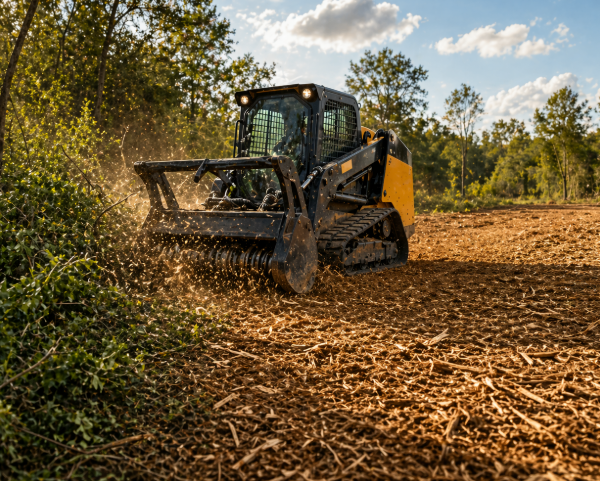
Forestry mulching is a land clearing method that uses a specialized machine called a forestry mulcher. This machine grinds trees, brush, and vegetation into mulch right on the spot. Unlike traditional land clearing methods that remove debris, forestry mulching leaves a natural layer of mulch on the ground. This mulch helps prevent erosion, retains moisture, and improves soil health.
The process is straightforward but powerful. The mulcher’s rotating drum or blade chips away at the vegetation, turning it into small wood chips. This method clears land quickly without the need for hauling away debris or burning. It’s perfect for overgrown properties, right-of-ways, and land restoration projects.
Why Choose Forestry Mulching?
Efficient: Clears large areas fast.
Eco-friendly: No burning or hauling debris.
Cost-effective: Saves money on cleanup and disposal.
Soil-friendly: Mulch enriches the soil naturally.
Versatile: Works on brush, small trees, and dense undergrowth.
Forestry mulching is a game-changer for landowners who want to reclaim their property without the hassle of traditional clearing methods.
How Forestry Mulching Benefits Your Land
When you invest in forestry mulching, you’re not just clearing land. You’re improving it. Here’s how:
1. Improves Land Usability
Dense brush and small trees can make your property unusable. Forestry mulching clears this quickly, opening up space for farming, grazing, building, or recreation.
2. Enhances Soil Health
The mulch left behind breaks down naturally, adding organic matter to the soil. This improves soil structure, moisture retention, and nutrient content.
3. Reduces Fire Risk
Overgrown brush is a fire hazard. Mulching reduces fuel load, lowering the risk of wildfires on your property.
4. Controls Invasive Species
Mulching can help control invasive plants by removing them and preventing regrowth.
5. Protects Wildlife Habitat
Unlike bulldozing or burning, mulching preserves the soil and some habitat features, supporting local wildlife.
Practical Tips for Landowners
Schedule mulching during dry weather to avoid soil compaction.
Clear access paths first for equipment.
Consider mulching in phases for large properties.
Use the mulch as ground cover to prevent weeds.
Forestry mulching is more than just clearing - it’s about restoring balance to your land.

Is October Too Late to Mulch?
Many landowners ask if October is too late to mulch. The answer depends on your goals and local climate.
In Abilene, TX, October is actually a good time for forestry mulching. The weather is cooler, which reduces stress on plants and soil. Mulching now can prepare your land for winter by clearing dead brush and reducing fire risk.
However, avoid mulching if the ground is wet or frozen. Wet soil can compact under heavy machinery, damaging soil structure. Also, check for any local regulations about land clearing during certain seasons.
Seasonal Considerations
Spring: Great for new growth control.
Summer: Hot weather can stress plants; mulch carefully.
Fall (October): Ideal for clearing before winter rains.
Winter: Avoid if soil is frozen or muddy.
If you’re unsure, consult a local expert who understands Abilene’s climate and land conditions.
How to Prepare Your Property for Forestry Mulching
Preparation is key to a successful mulching project. Here’s how to get ready:
1. Assess Your Land
Walk your property and note areas with dense brush, trees, or invasive plants. Identify any obstacles like fences, rocks, or utility lines.
2. Clear Access Routes
Make sure the mulching equipment can reach all areas. Clear paths or gates if needed.
3. Mark Sensitive Areas
Protect water sources, rare plants, or wildlife habitats by marking them clearly.
4. Check Local Regulations
Some areas require permits for land clearing. Verify with local authorities before starting.
5. Plan for Debris
Although mulching leaves mulch on site, some large debris may need removal.
6. Communicate with Your Contractor
Discuss your goals, timeline, and any concerns with your forestry mulching service provider.
Proper preparation saves time and money while ensuring the best results.
What to Expect During and After Forestry Mulching
Forestry mulching is a fast process, but it’s good to know what happens step-by-step.
During Mulching
The machine moves through the property, grinding vegetation.
Noise and dust are common but temporary.
Large trees may be mulched in sections.
Mulch covers the ground immediately.
After Mulching
The land looks cleared but natural.
Mulch decomposes over time, enriching soil.
Some regrowth may occur; follow-up mulching or maintenance might be needed.
You can start using the land for your intended purpose.
Maintenance Tips
Monitor regrowth and mulch again if needed.
Use controlled grazing or mowing to keep brush down.
Consider planting grass or cover crops to stabilize soil.
Forestry mulching sets the stage for long-term land improvement.
Unlocking Your Land’s Potential with Forestry Mulching
Forestry mulching is more than a clearing method. It’s a smart investment in your property’s future. Whether you want to create pasture, build a home, or simply reduce fire risk, mulching offers a clean, green solution.
If you’ve ever asked yourself what is forestry mulching, now you have the answer. It’s a tool that transforms overgrown, challenging land into valuable, usable space.
Ready to take the next step? Start by assessing your property and planning your mulching project. With the right approach, you’ll unlock your land’s full potential and enjoy the benefits for years to come.


Comments