
The Scariest Things Hiding on Your Overgrown Property

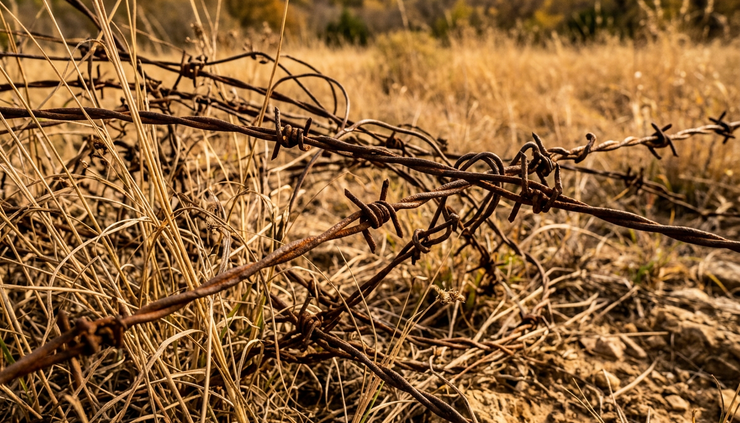
A scarecrow in the pasture is one thing. A rusted roll of fence wire buried under waist-high mesquite is another. Around Clyde and the Abilene area, land clearing clyde texas work is not about making a place look pretty for fall. It is about finding what thick brush has been hiding before it tears up equipment, hurts livestock, starts a fire, or turns good land into dead space.
Halloween gives us a good excuse to talk about spooky stuff. But the real monsters on overgrown land do not wear masks. They sit under grass, behind brush, and inside old sheds until somebody steps in the wrong place.
We see it all the time. A property looks rough from the road. Then we get inside it and find the real problems.

Why land clearing clyde texas work starts with what you cannot see
Overgrown property can fool you. From the gate, it may look like brush, grass, and a few trees. Walk into it, and the story changes fast.
Thick cover hides hard, sharp, and dangerous junk. We are talking about:
Old fence wire and loose T-posts
Rusted metal, glass, and trash dumps
Abandoned implements or broken equipment
Washouts, stump holes, and animal burrows
Old wells, pits, and soft ground
That is a bad mix. A person can trip. A tire can get sliced. A tractor can get hung up. Livestock can get cut. Kids and guests may not see the danger until they are standing in it.
This is why we do not treat clearing like mowing a yard. We walk the ground. We look for hazards. We plan the work so we can open up the property without making a bigger mess.
At Lone Star Land Restoration, we take that part seriously. The first job is making the land safer to work on. The better we can see, the better we can clear.
Dense brush is prime cover for snakes, rodents, and pests
Brush piles are not haunted, but plenty of things like to live in them.
Snakes use tall grass, downed limbs, and rock piles for cover. Rodents move through thick vegetation where predators have a harder time spotting them. Insects and other pests settle into rotting wood, damp debris, and shaded clutter.
That does not mean every overgrown acre is crawling with trouble. It does mean dense cover gives pests what they want.
They get:
Shelter
Shade
Nesting spots
Food sources
Safe travel paths
When brush grows tight against barns, sheds, fence lines, driveways, and homesites, the problem gets closer to where people actually spend time. That is when an annoying issue can become a real headache.
Clearing does not remove every pest from a property. Nothing honest can promise that. But it takes away the cover that lets them thrive. Open ground is easier to inspect, easier to maintain, and a lot less inviting.
Dead brush and dry grass raise the fire risk
Dry grass does not need much help to burn. Add dead brush, old limbs, cedar slash, tumbleweed piles, and wind, and you have a property that can carry fire fast.
Heading into winter, a lot of landowners think fire risk drops. Sometimes it does. Sometimes it does not. Dry fronts, low humidity, dormant grass, and wind can still make a rough property dangerous.
Built-up vegetation creates fuel. The thicker it is, the harder it can be to control if fire gets into it.
The biggest trouble spots are usually:
Fence lines packed with weeds and limbs
Overgrown driveways with no clean access
Brush piled near outbuildings
Dead trees or limbs touching structures
Tall grass around equipment, hay, or stored materials
Good clearing creates space. It helps break up fuel. It improves access for trucks, tractors, trailers, and emergency crews if needed.
No one wants to think about fire while carving pumpkins. We get it. But dead brush does not care what month it is. If it is dry and piled up, it can burn.
Brush quietly chokes out usable pasture
Some scary things jump out at you. Brush does not. It creeps.
A little growth along the edges becomes a thicket. A thicket becomes a lost corner. Then the lost corner spreads. Before long, the pasture is smaller than it used to be, even though the fence has not moved.
That costs you in real ways.
Less grass means less grazing. Less open space means less usable land. Worse access means more time fighting your own property. If you ever plan to sell, clean and usable ground usually shows better than land buyers have to guess about.
Overgrown land can make a good place look neglected. It hides the shape, slope, drainage, and potential of the property. It also makes basic maintenance harder.
That is where land clearing clyde texas services can make a clear difference. The goal is not to scrape everything bare. The goal is to reclaim space, improve access, and leave the property in a condition you can keep up with.
We focus on practical clearing. Keep what makes sense. Remove what is taking over. Open up lanes. Cut back problem areas. Turn rough ground back into working ground.

Rotting sheds and collapsing outbuildings are not just ugly
Old sheds can have charm. Rotten sheds have problems.
Once the roof starts sagging, walls lean, floors rot, or limbs fall across the structure, that building turns into a liability. It may hold rusty scrap, broken tools, old chemical containers, nails, snakes, rodents, or unstable debris.
The scary part is how easy it is to ignore. If the brush grows around it, you stop seeing it. Then one day somebody needs to get near it, and the risk is still there waiting.
A failing outbuilding can create trouble for:
Family members and visitors
Livestock
Pets
Contractors
Equipment operators
Future buyers
We do not recommend poking around inside a collapsing structure just to see what is there. That is how people get hurt. Clear access first. Assess it safely. Decide what needs to be removed, cleaned up, or handled by the right crew.
Sometimes the best move is simple. Get the brush off it. Open the area. Haul off debris when appropriate. Make the site visible and manageable again.
How we clear it safely and turn it back into usable space
Clearing land the right way takes more than horsepower. Horsepower helps, but judgment matters more.
When Lone Star Land Restoration looks at an overgrown property, we are thinking about safety, access, drainage, soil, trees worth saving, and what the owner wants to do with the land after the work is done.
Our process is plain:
Walk and assess the property
We look for hazards, thick growth, old debris, access issues, and sensitive areas.
Make a clear plan
We decide what needs to be removed, what should remain, and how to get equipment in without causing extra damage.
Clear brush and problem vegetation
We open up the ground so the property can breathe again.
Expose and address hidden hazards
Once the cover is gone, wire, junk, holes, and old materials are easier to see and handle.
Leave the land more usable
The end goal is not just a cleared view. It is space you can drive, walk, graze, build on, or maintain.
Good clearing gives you options. That back corner can become accessible again. That fence line can be repaired. That pasture can recover. That old shed site can stop being a mystery.
If you need land clearing clyde texas help, the best time to start is before hidden problems turn into expensive ones.

Do not let your property keep its secrets
Overgrown land can hide plenty of ugly surprises. Some are small. Some are dangerous. Some slowly cost you use, value, and peace of mind.
Halloween monsters are fun. Rusted wire, dry brush, pest cover, hidden holes, and failing sheds are not.
We can help you take control of it. Lone Star Land Restoration clears overgrown property safely, opens up usable space, and helps turn neglected ground back into land you can actually use.
Contact us through our website for a free proposal. We will take a look, talk through the job, and give you a clear path forward.


Comments