.png)
Steps for Pond Construction From Planning to Completion
- Lone Star Land Restoration

- Feb 13
- 4 min read
Updated: May 5
Understanding the steps for pond construction is crucial if you want a pond that looks natural, functions well, and lasts for many years. While a pond may seem simple, building one correctly requires careful planning, proper digging, and effective water control. This guide explains the entire pond construction process and why each step is essential.

Whether your goal is a farm pond, a water source for livestock, or a fishing pond, following the right process helps the pond retain water, maintain steady water levels, and function as intended.
Pond Site Planning and Purpose
Every successful pond starts with thorough site planning. Before any equipment arrives or crews begin digging, it's vital to assess how water moves across the land. Understanding water flow is crucial because ponds rely on rainfall, runoff, and other water sources to stay full.
Key Planning Questions
Consider these important questions during the planning phase:
Where does the pond's water naturally collect?
How large should the pond area be based on runoff?
How will the shape of your pond affect its depth and water retention?
Will the pond be used for livestock, irrigation, recreation, or wildlife?
Having clear goals at this stage helps guide every decision later, from how deep to dig to how the pond is graded.
Land Preparation for Pond Construction
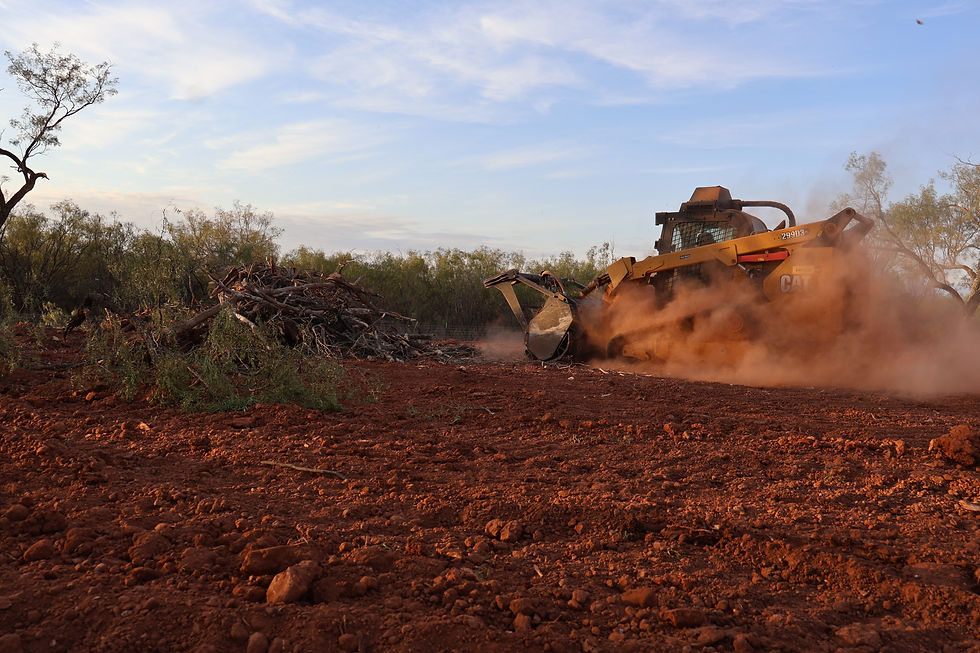
Proper land preparation creates a strong base for the pond. This step includes clearing brush, removing trees, and stripping away topsoil that cannot be compacted. Leaving roots and debris can lead to rot over time, causing leaks that prevent the pond from holding water.
Land preparation also involves creating paths for equipment and setting aside areas to store soil. Without proper preparation, even well-planned ponds can face erosion issues or uneven settling.
Understanding the Pond Construction Process

The pond construction process follows a clear order that builds strength and manages water effectively. Each step depends on the one before it. Skipping steps often leads to poor long-term water retention.
Main Steps in Pond Construction
The main steps include:
Excavation
Basin shaping
Compaction
Spillway construction
Final grading
Together, these steps ensure ponds are designed and constructed to handle changing weather and water conditions.
Pond Excavation Steps and Basin Formation
One of the most critical excavation steps is shaping the basin to ensure it has a steady depth and strong banks that will last over time. Excavation removes poor soil, loose material, and debris while creating the pond's basic structure. Careful digging helps prevent future settling and erosion.
Key Considerations During Excavation
During excavation:
Crews determine how many feet deep the pond should be.
Slopes are shaped to prevent collapse and bank failure.
Deeper areas help reduce evaporation in smaller ponds.
This step also includes filling the bottom of the pond with compacted clay to minimize leaks. Good excavation helps the pond maintain healthy water levels and function reliably for years.
Pond Excavation and Grading for Stability
After the basin is formed, excavation and grading fine-tune the pond's shape and the surrounding land to enhance strength and functionality. Grading helps water enter the pond smoothly, preventing dirt, rocks, or debris from washing into the basin. This step also controls how rainwater moves across the land.
Benefits of Proper Grading
Well-graded ponds:
Reduce erosion along the pond's edge.
Make livestock access safer and easier.
Help keep embankments stable during heavy rain.
Proper grading also enhances the pond's appearance, allowing it to blend naturally into the surrounding land while supporting long-term performance.
Compaction and Water Retention
Compaction is vital for ponds that need to hold water year-round. Clay soil is packed in layers to eliminate air pockets and seal the pond. Poor compaction is a common reason for pond failure.
In some cases, a pond liner is used when soil alone cannot prevent leaks. Liners may not always be necessary, but they can be beneficial in sandy or rocky areas. Strong compaction is a major part of pond construction and helps reduce future maintenance.
Spillways, Water Flow, and Water Levels
Managing excess water is just as crucial as retaining water in the pond. Spillways guide water flow during heavy rain and protect the pond from damage.
Importance of a Good Spillway
A well-designed spillway:
Maintains safe water levels.
Prevents water from flowing over the dam.
Extends the pond's lifespan.
Without a spillway, ponds can suffer significant damage during storms.
Pond Installation Process and Final Shaping
The pond installation process brings everything together. This step includes smoothing slopes, shaping banks, and preparing the area for grass and plants. The goal is to create a pond that looks natural and functions effectively.
Final Shaping Considerations
Final shaping determines:
Where livestock can safely enter.
Placement of watering features.
How people and animals navigate around the pond.
This step also prepares the pond for filling and daily use.
Farm Pond Construction Steps and Practical Uses
Farm pond construction focuses on strength and reliability. A well-built farm pond supports livestock, irrigation, and daily farm needs. Key priorities include depth, access, and water quality.
Essential Features of Farm Ponds
Farm ponds should:
Retain water during dry periods.
Withstand wear from animals.
Offer safe entry points.
When constructed correctly, a farm pond becomes a valuable asset to the land.
Managing Aquatic Life and Water Quality
Once water begins to collect, maintaining balance within the pond becomes essential. Adding aquatic plants can help protect banks and improve water clarity, but growth must be controlled.
Excessive algae growth can reduce oxygen levels, limit livestock use, and hinder fishing success. Proper depth, steady circulation, and balanced plant control are vital for maintaining healthy and usable water.
How to Build a Pond That Lasts
Knowing how to build a pond involves more than just digging a hole. Long-term success stems from good design, correct building methods, and regular maintenance. Well-constructed ponds maintain steady depth, resist erosion, and function well in all seasons.
Benefits of Strong Ponds
Strong ponds:
Support multiple water sources.
Enhance land usability.
Increase property value.
Careful planning and construction reduce maintenance needs and prevent future problems.
Final Thoughts on Steps for Pond Construction
Understanding the steps for pond construction helps landowners avoid mistakes and build ponds that last. From site planning to excavation, grading, and water control, every step is crucial.
Whether constructing small ponds, farm water systems, or fishing ponds, using proven methods leads to better results. When done correctly, ponds become reliable, useful, and long-lasting features of the land.
---wix---


Comments